European Conference On Computer Vision (ECCV), 2024
VL4AI Research
Vision & Language for
Embodied AI
Advancing theoretical foundations and practical applications of computer vision and natural language processing for embodied systems.
About VL4AI Research
Towards Intelligent Embodied AI
VL4AI advances intelligent embodied AI for real-world robotic and autonomous systems. We study how multi-sensor and multimodal models can perceive, understand, reason, and act in complex dynamic environments, with a strong emphasis on interpretable, trustworthy, auditable, and safe embodied intelligence.
- Multimodal and multi-sensor perception, including 2D vision, 3D vision, sensor fusion, and embodied scene understanding.
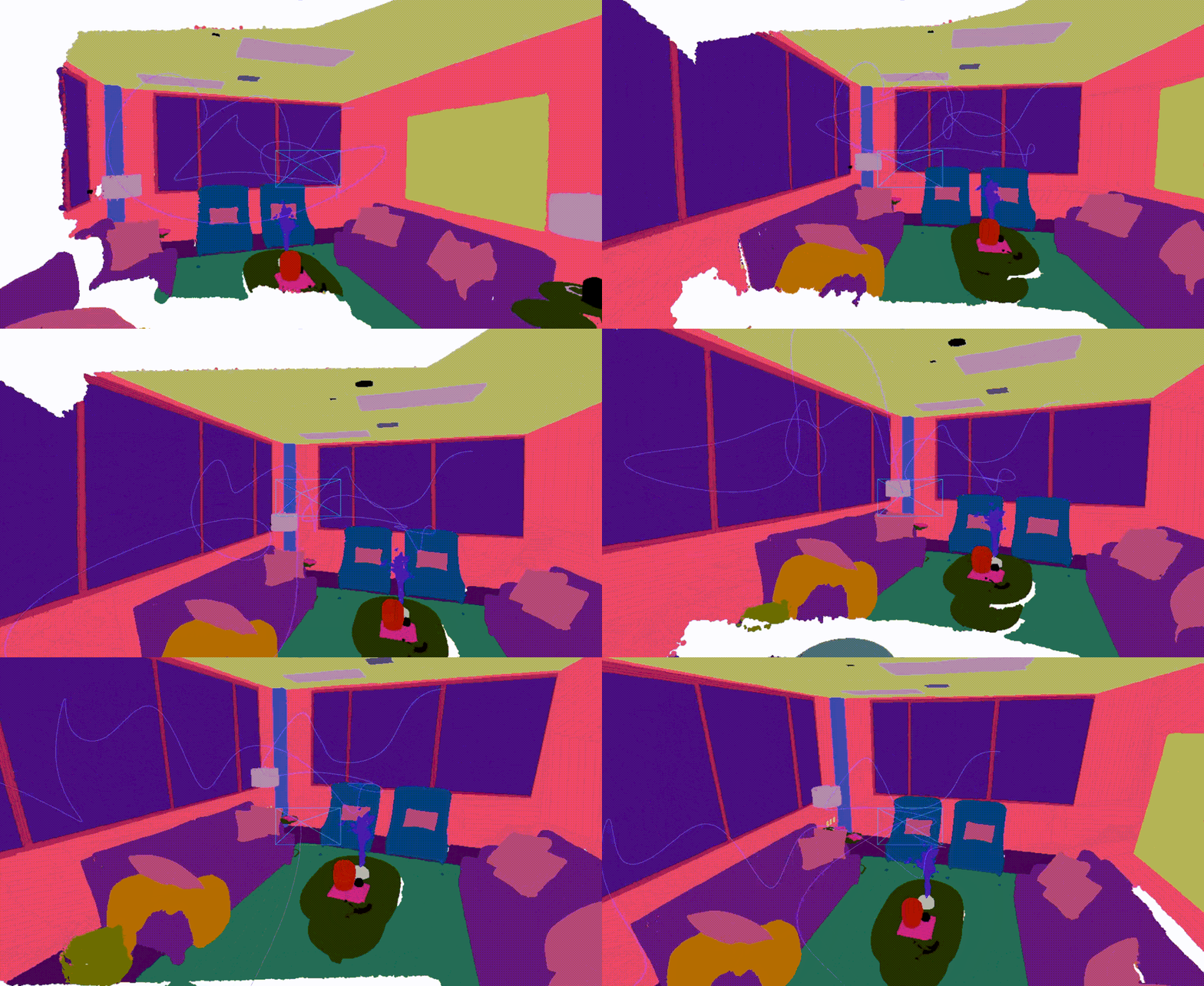
- 3D reconstruction, semantic mapping, and world modelling for dynamic embodied environments.
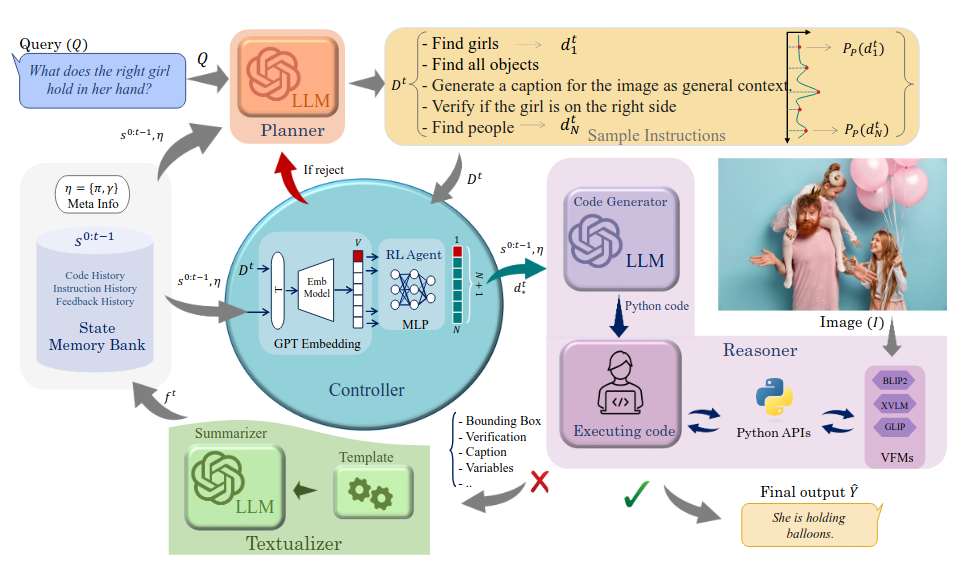
- Compositional and neuro-symbolic reasoning for visual grounding, multimodal understanding, and decision making.
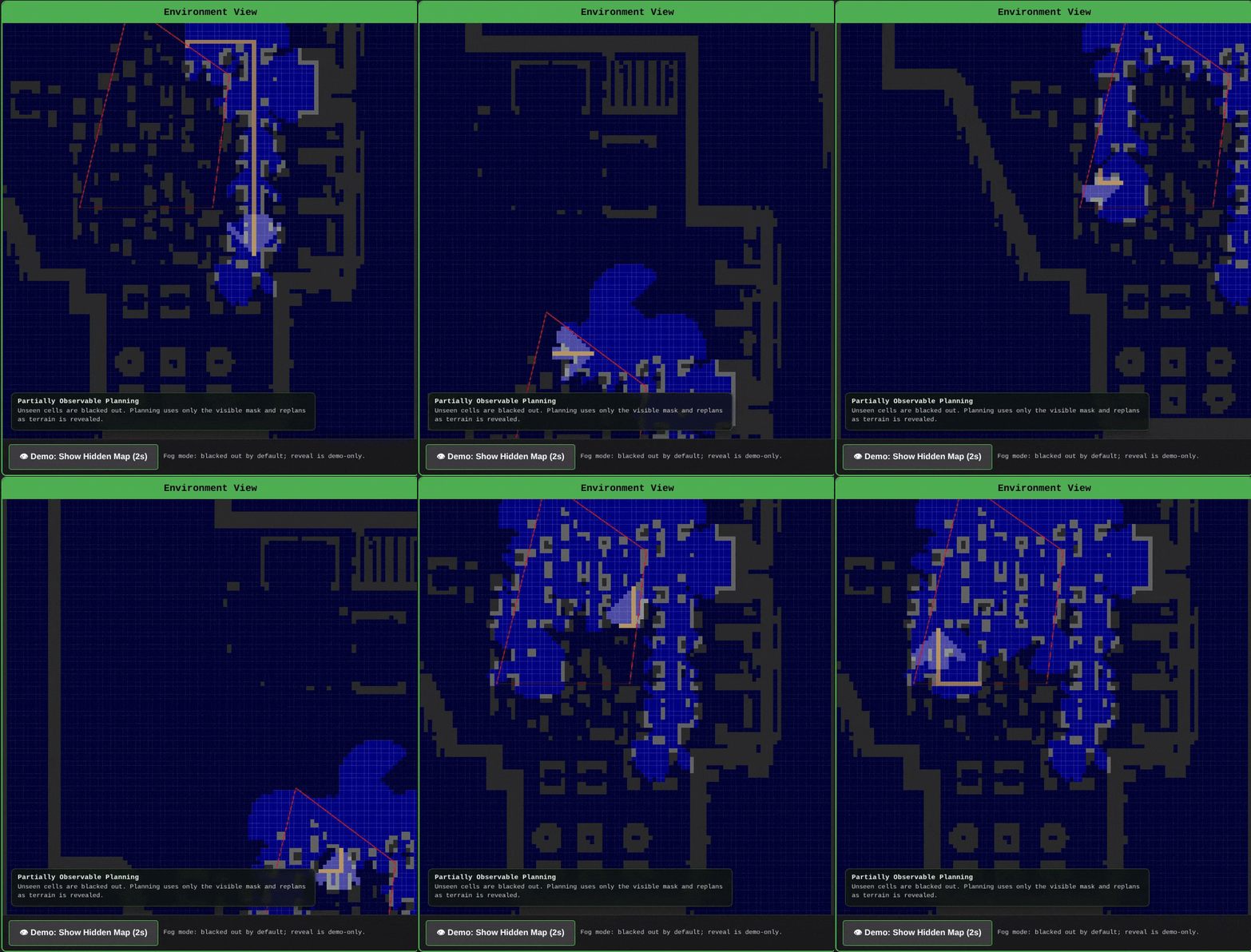
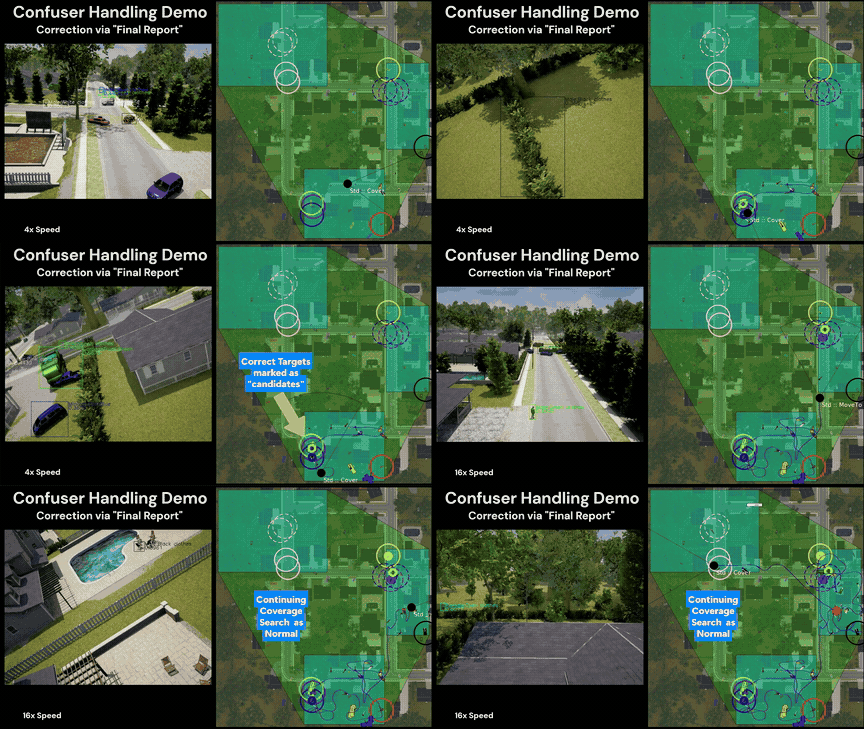
- Agentic embodied systems for planning, navigation, search, tracking, and mission-level autonomy.
Our goal is to build embodied AI systems that do more than perceive the world: they can reason over it, act within it, and support reliable real-world deployment through interpretable, trustworthy, and safe intelligence.

Research highlight
2D Visual Perception
Impact
Seminal Works
IEEE Transactions on Pattern Analysis and Machine Intelligence, 2023
Unifying Flow, Stereo and Depth Estimation
IEEE Conference on Computer Vision and Pattern Recognition (CVPR), 2022
GMFlow: Learning Optical Flow via Global Matching
IEEE Transactions on Pattern Analysis and Machine Intelligence (TPAMI), 2021
JRDB: A Dataset and Benchmark of Egocentric Robot Visual Perception of Humans in Built Environments
IEEE Conference on Computer Vision and Pattern Recognition (CVPR), 2019
Generalized Intersection over Union: A Metric and A Loss for Bounding Box Regression
IEEE Conference on Computer Vision and Pattern Recognition (CVPR), 2019
SoPhie: An Attentive GAN for Predicting Paths Compliant to Social and Physical Constraints
Advances in Neural Information Processing Systems (NeurIPS), 2019
Social-BiGAT: Multimodal Trajectory Forecasting using Bicycle-GAN and Graph Attention Networks
Thirty-First AAAI Conference on Artificial Intelligence (AAAI), 2017
Online multi-target tracking using recurrent neural networks
IEEE international conference on computer vision (ICCV), 2015
Joint probabilistic data association revisited
Updates
Latest Publications
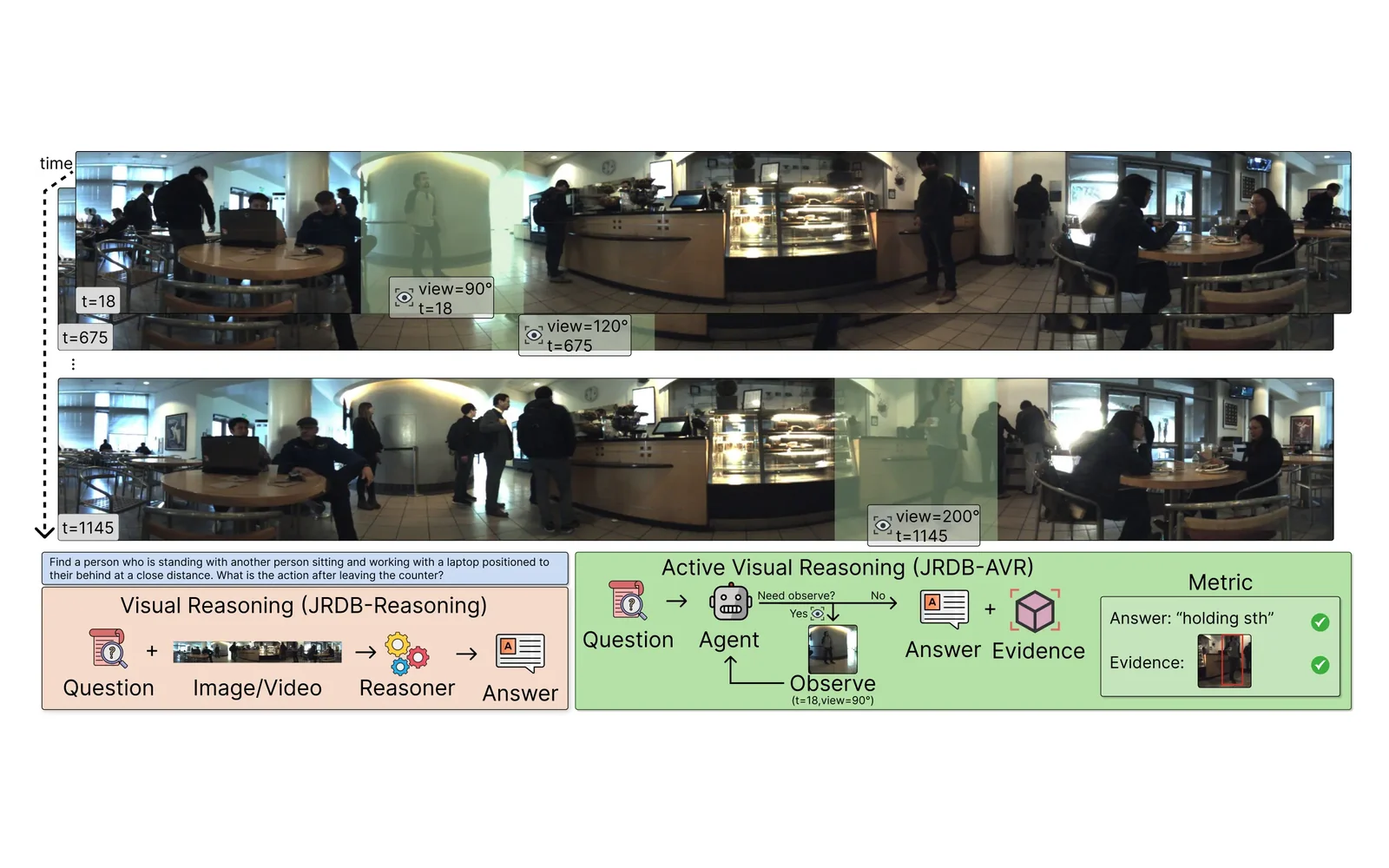
2026
JRDB-AVR: An Active Visual Reasoning Benchmark for Embodied Agents in Real-World Environments
Advances in Neural Information Processing Systems (NeurIPS), 2026
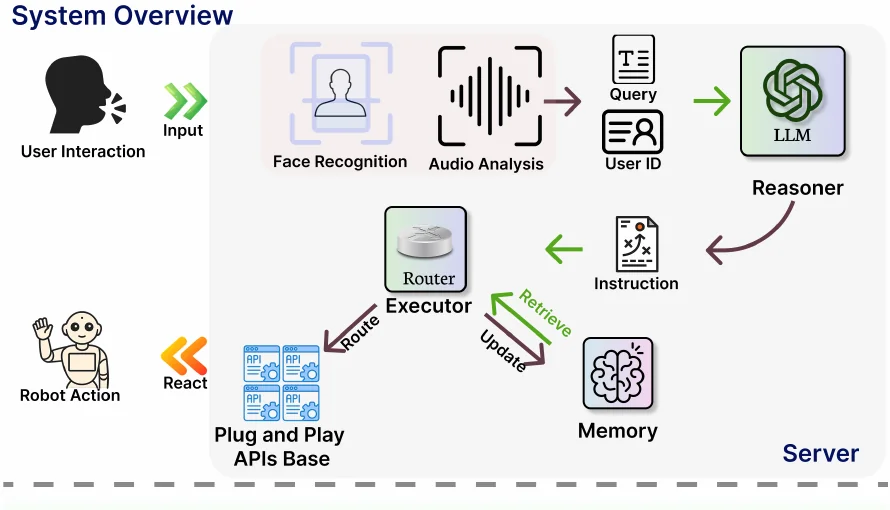
2026
ARIS: Agentic and Relationship Intelligence System for Social Robots
Advances in Neural Information Processing Systems (NeurIPS, Workshop), 2026
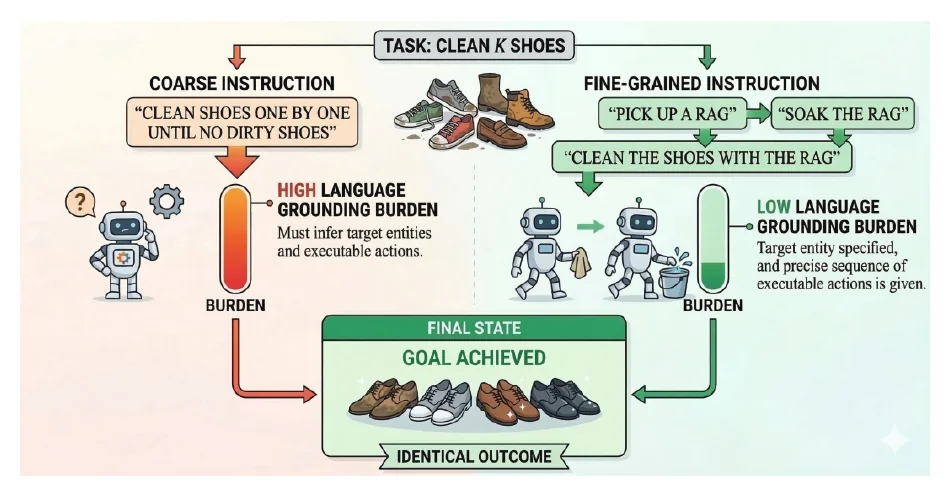
2026
Mini-BEHAVIOR-Gran: Revealing U-Shaped Effects of Instruction Granularity on Language-Guided Embodied Agents
The Conference on Empirical Methods in Natural Language Processing (EMNLP), 2026
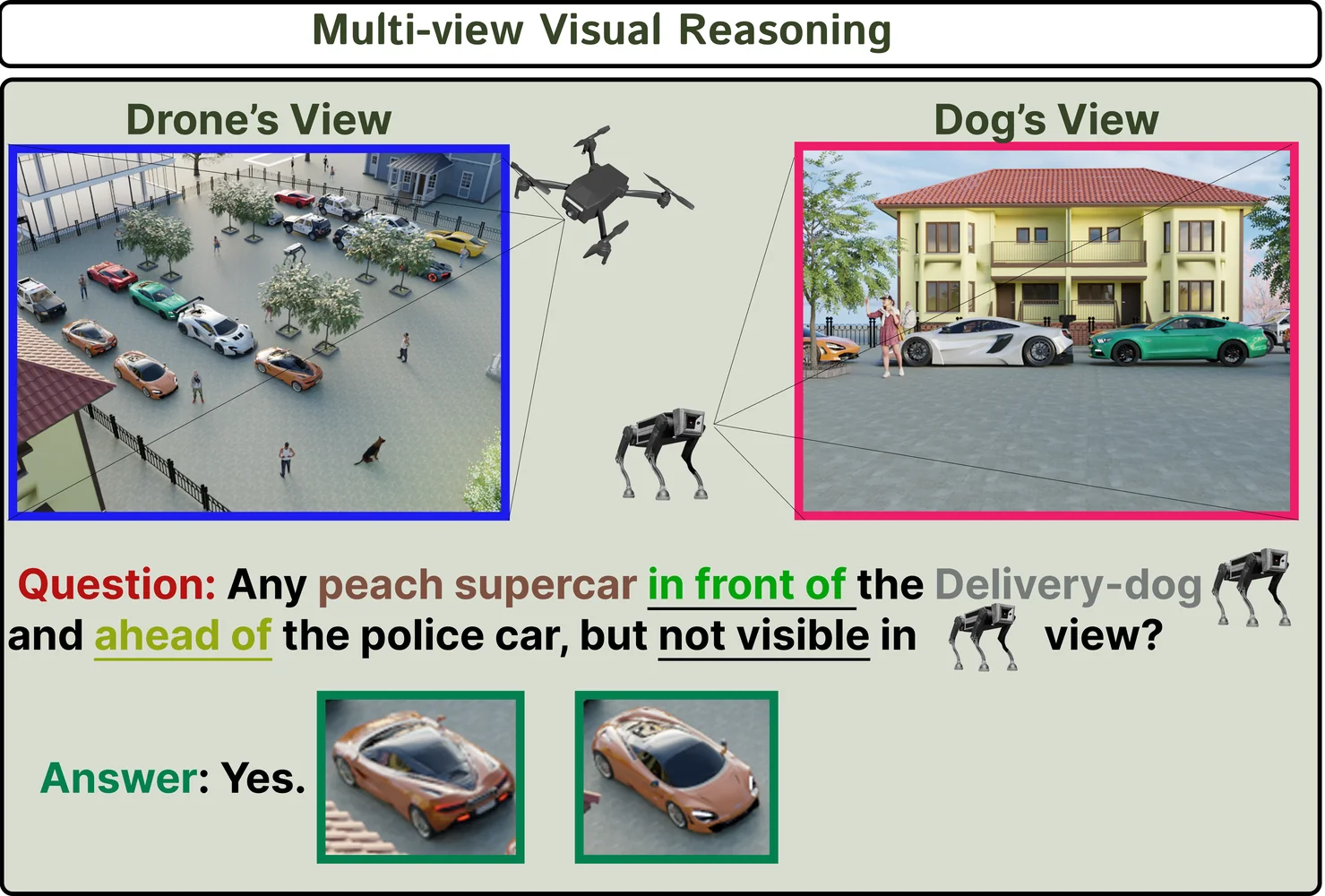
2026
VIEW2SPACE: Studying Multi-View Visual Reasoning from Sparse Observations
European Conference On Computer Vision (ECCV), 2026
2026
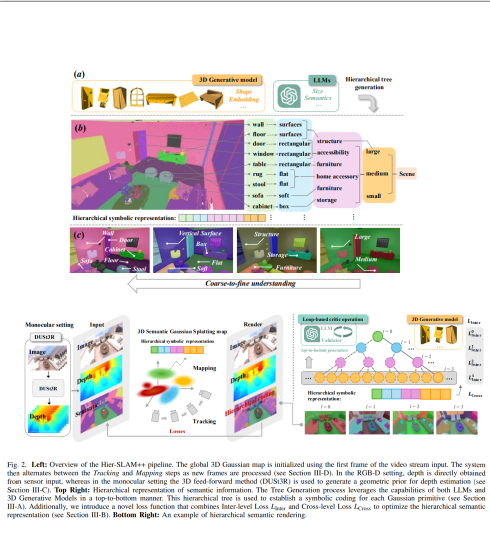
Hier-SLAM++: Neuro-Symbolic Semantic SLAM with a Hierarchically Categorical Gaussian Splatting
Asian Conference on Computer Vision (ACCV), 2026
2026
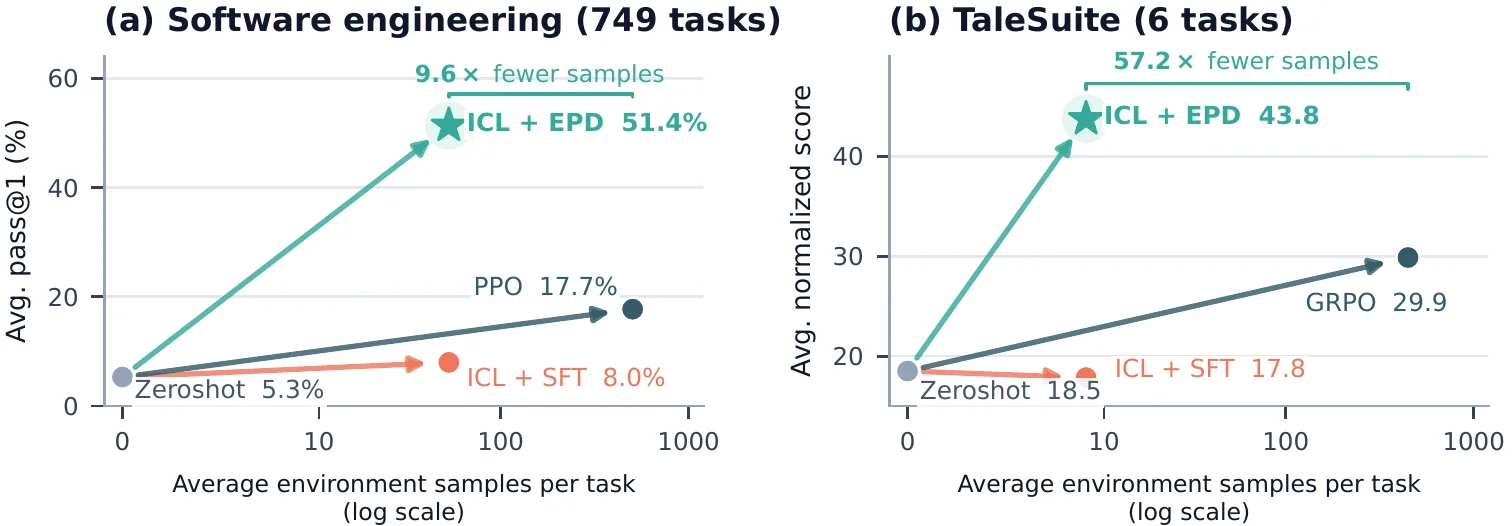
Sample-Efficient Learning from Agent Experience
Arxiv, 2026